
"coffee components"
3000 article(s) found

Characteristics of how to make espresso and how to drink espresso
Professional coffee knowledge exchange more coffee bean information Please pay attention to the coffee workshop (Wechat official account cafe_style) Italian espresso will be mixed beans, in order to increase the richness and harmony of the taste, but not absolutely necessary, but espresso is extracted with hot water and pressure, if you drink directly without stirring, the water-soluble and fat-soluble ingredients will be separated and drunk.

Boutique Coffee Analysis of the components of Fine Coffee
Caffeine: caffeine is the most eye-catching of all the ingredients in coffee. It belongs to a kind of phytoxanthin (animal muscle component). It has the same properties as theobromine contained in cocoa, green tea contains the same theophylline, and the percentage of reduction after baking is very small. Caffeine has a very wide range of effects. will affect the human brain, heart, blood vessels, gastrointestinal, muscle and kidney and other parts, the right amount of coffee

Analysis of various components in coffee beans
Caffeine: caffeine is the most eye-catching of all the ingredients in coffee. It belongs to a kind of phytoxanthin (animal muscle component). It has the same properties as theobromine contained in cocoa, green tea contains the same theophylline, and the percentage of reduction after baking is very small. Caffeine has a very wide range of effects. will affect the human brain, heart, blood vessels, gastrointestinal, muscle and kidney and other parts, the right amount of coffee
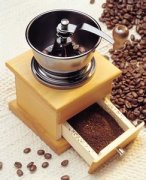
Detailed Analysis of the components of Coffee beans
Raw coffee beans do not contain the special aroma of coffee, so they are not eaten directly and must be roasted before a large number of volatile aroma compounds are produced.

Analysis of the aroma of coffee from a chemical point of view
Whether you are a coffee expert or an ordinary coffee lover, you will be attracted by the attractive aroma of that freshly ground coffee every morning. What you don't know is that this fragrance actually contains thousands of chemicals. To give you a better understanding of the chemical components of coffee aroma, we have drawn the following chart: in the face of such a complex chemical symbol, you may be

Detailed Analysis of the components of Coffee beans
★ volatile compounds: volatile compounds are the main source of coffee flavor, especially important for coffee quality. There are many kinds of volatile substances in coffee, and their existence will affect the aroma quality of coffee. Its main source is derived from non-volatile substances in raw beans which are disconnected or derived after reaction in the process of roasting. The role of thermal decomposition, other reactions, or compositions, such as sugar.

Barista training knowledge: detailed analysis of coffee bean components
★ volatile compounds: volatile compounds are the main source of coffee flavor, especially important for coffee quality. There are many kinds of volatile substances in coffee, and their existence will affect the aroma quality of coffee. Its main source is derived from non-volatile substances in raw beans which are disconnected or derived after reaction in the process of roasting. The role of thermal decomposition, other reactions, or compositions, such as sugar.
Detailed Analysis of the components of Coffee beans in Coffee Encyclopedia
★ volatile compounds: volatile compounds are the main source of coffee flavor, especially important for coffee quality. There are many kinds of volatile substances in coffee, and their existence will affect the aroma quality of coffee. Its main source is derived from non-volatile substances in raw beans which are disconnected or derived after reaction in the process of roasting. The role of thermal decomposition, other reactions, or compositions, such as sugar.
Fine Coffee: a detailed Analysis of the components of Coffee beans
★ volatile compounds: volatile compounds are the main source of coffee flavor, especially important for coffee quality. There are many kinds of volatile substances in coffee, and their existence will affect the aroma quality of coffee. Its main source is derived from non-volatile substances in raw beans which are disconnected or derived after reaction in the process of roasting. The role of thermal decomposition, other reactions, or compositions, such as sugar.
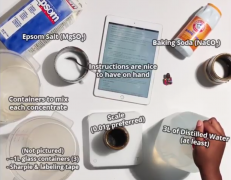
The water most suitable for extracting coffee can also be made artificially!
The exchange of professional baristas please follow the coffee workshop (Wechat official account cafe_style) the famous Australian barista Matt Perger introduced the second method of DIY extraction of water in his blog baristahustle.com. In order to better understand this, you need to understand the two components that make up water. Please refer to the relevant articles below. "related article: Black Water Series
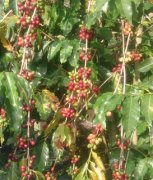
The main components and aroma sources of coffee beans how many kinds of aroma of coffee and how to describe it?
Professional coffee knowledge exchange more coffee bean information Please pay attention to the meaning of wet and dry aroma of coffee in coffee workshop (Wechat official account cafe_style) Seven factors affecting the flavor and aroma of coffee raw beans 1. During baking, part of the sucrose, the main ingredient, will be decomposed into acetic acid, formic acid, glycolic acid and lactic acid, while the other part of the sucrose will undergo caramelization.
Detailed Analysis of the components of Coffee beans in the training of baristas
★ volatile compounds: volatile compounds are the main source of coffee flavor, especially important for coffee quality. There are many kinds of volatile substances in coffee, and their existence will affect the aroma quality of coffee. Its main source is derived from non-volatile substances in raw beans which are disconnected or derived after reaction in the process of roasting. The role of thermal decomposition, other reactions, or compositions, such as sugar.
The main components of raw beans are new beans and old beans.
After dry and wet processing, coffee fruit becomes coffee raw bean (Raw bean/Green bean). The main components of raw beans are: carbohydrates, about 49%; moisture, about 12%; protein. About 11%; chlorogenic acid, about 7.6% alkaloids and trace elements, about 0.4%. According to the length of time, raw beans can be divided into: seasonal beans (Current Cro)

The coffee that fascinates countless people has a variety of flavors.
Coffee is a magical drink that fascinates millions of people. Its bitter, astringent, salty, spicy, sweet and other flavors, so that the tip of the tongue and smell perfectly reflect the taste of coffee, the sharp edge of the tongue can feel this ever-changing taste of coffee. The strong aroma of coffee when coffee beans are ground, their fibers are heated and broken, releasing carbon dioxide. Carbon dioxide
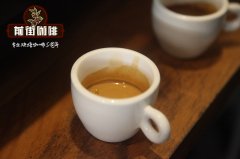
Espresso Why blend? Should sugar be added to espresso?
Professional coffee knowledge exchange More coffee bean information Please pay attention to coffee workshop (Weixin Official Accounts cafe_style) Italian espresso will mix beans, in order to increase the richness and harmony of taste, but it is not absolutely necessary, but Italian espresso is extracted with hot water and pressure. If you drink it directly without stirring, the water-soluble ingredients and fat-soluble ingredients will be separated and drunk.
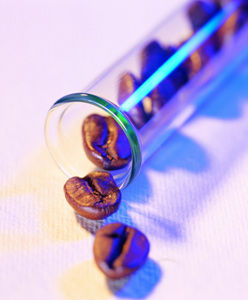
What are the ingredients of coffee beans? what are the main nutritional components of individual coffee beans?
Caffeine is the most eye-catching of all the ingredients in coffee. It is a kind of phytoxanthin (animal muscle component). It has the same properties as theobromine contained in cocoa, green tea contains the same theophylline, and the percentage of reduction after baking is very small. Caffeine has a very extensive effect. It will affect various parts of the human brain, heart, blood vessels, gastrointestinal tract, muscles and kidneys, and the right amount of caffeine will.

The aroma components of coffee are easy to dissipate. How to preserve the best aroma quality of coffee?
The aroma components tend to dissipate the rich aroma of fresh coffee when ground, inspiring poets for hundreds of years. In order to capture these aromas in coffee cups, all kinds of beautiful shapes and strange coffee machines have come out one after another, thus achieving this arduous super task. Why is it so difficult to make brewed coffee as fragrant as freshly ground coffee?
Main components of coffee
Caffeine: has a particularly strong bitter taste and stimulates the central nervous system, heart and respiratory system. Moderate caffeine can also reduce muscle fatigue and promote digestive secretion. Because it promotes kidney function, it has a diuretic effect and helps the body expel excess sodium ions from the body. Too much caffeine can lead to caffeine poisoning. Tannin: Boiled tannin decomposes into pyrolytic acid,
The key components of coffee grounds can absorb sulfur.
Researchers at the City University of New York report that coffee grounds can absorb hydrogen sulfide gas and sulfur well.

Table of nutritional components of boutique coffee basic life coffee
Every 100 grams of coffee liquid contains 99.5 grams of water, 0.2 grams of protein, 0.1 grams of fat, 0.1 grams of ash, trace sugars, 3 mg of calcium, 4 mg of phosphorus, 2 mg of sodium, 0.01 mg of vitamin B2 and 0.3 mg of nicotinic acid. Dissolve 10 grams of coffee in hot water with 0.04 grams of caffeine and 0.06 grams of tannins.